Almost nothing you can hire in north London was built for hire. Knowing what a building used to be tells you most of what will be difficult about using it.
Types of event venue in north London and how they differ
North London Venue Guide Types of event venue in north London and how they differ
Venue listings tend to sort rooms by capacity. That is the least useful axis. A former parish hall for a hundred and twenty and a converted arch for a hundred and twenty behave nothing alike: different owners, different licences, different rules about who caters and when you have to be out.
Sorting by origin is more honest, because origin determines conditions.
Pub function rooms
The largest category by number. A Victorian or Edwardian pub with a first-floor room or a back room that the licensee hires out. Some of them are named in pubs with function rooms.
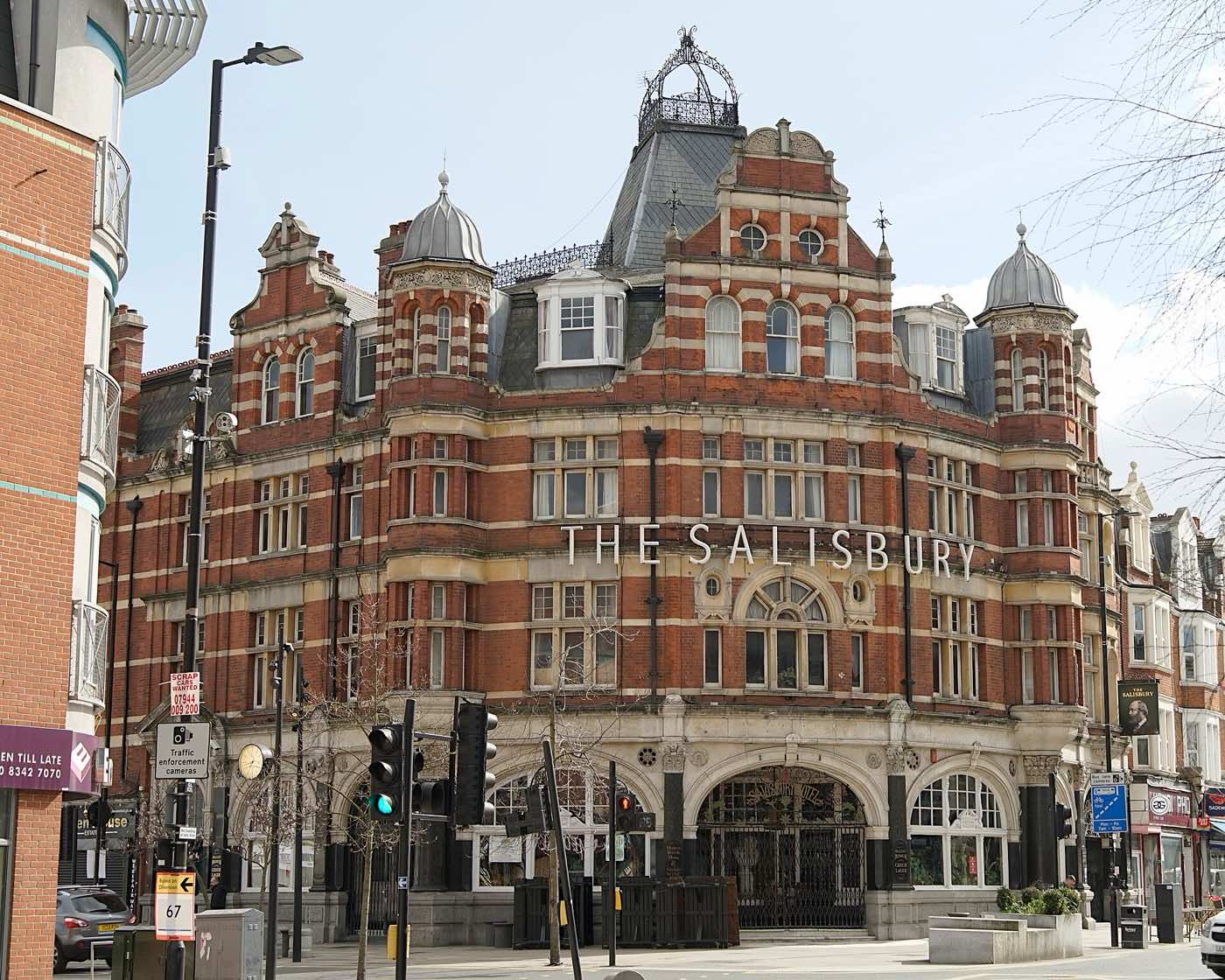
The room sits under the pub's existing premises licence, which is the great advantage: alcohol, regulated entertainment and late hours are usually already permitted, so nobody has to apply for anything. The trade-off is that the bar belongs to the pub. You will almost never be allowed to bring your own drink, a minimum spend usually applies instead of a hire fee, and the room is rarely fully private in the way people expect.
Ask early whether the room has its own toilets and its own entrance. If it does not, your guests will move through the public bar all evening, and the venue's own closing time will govern yours.
Halls in community ownership
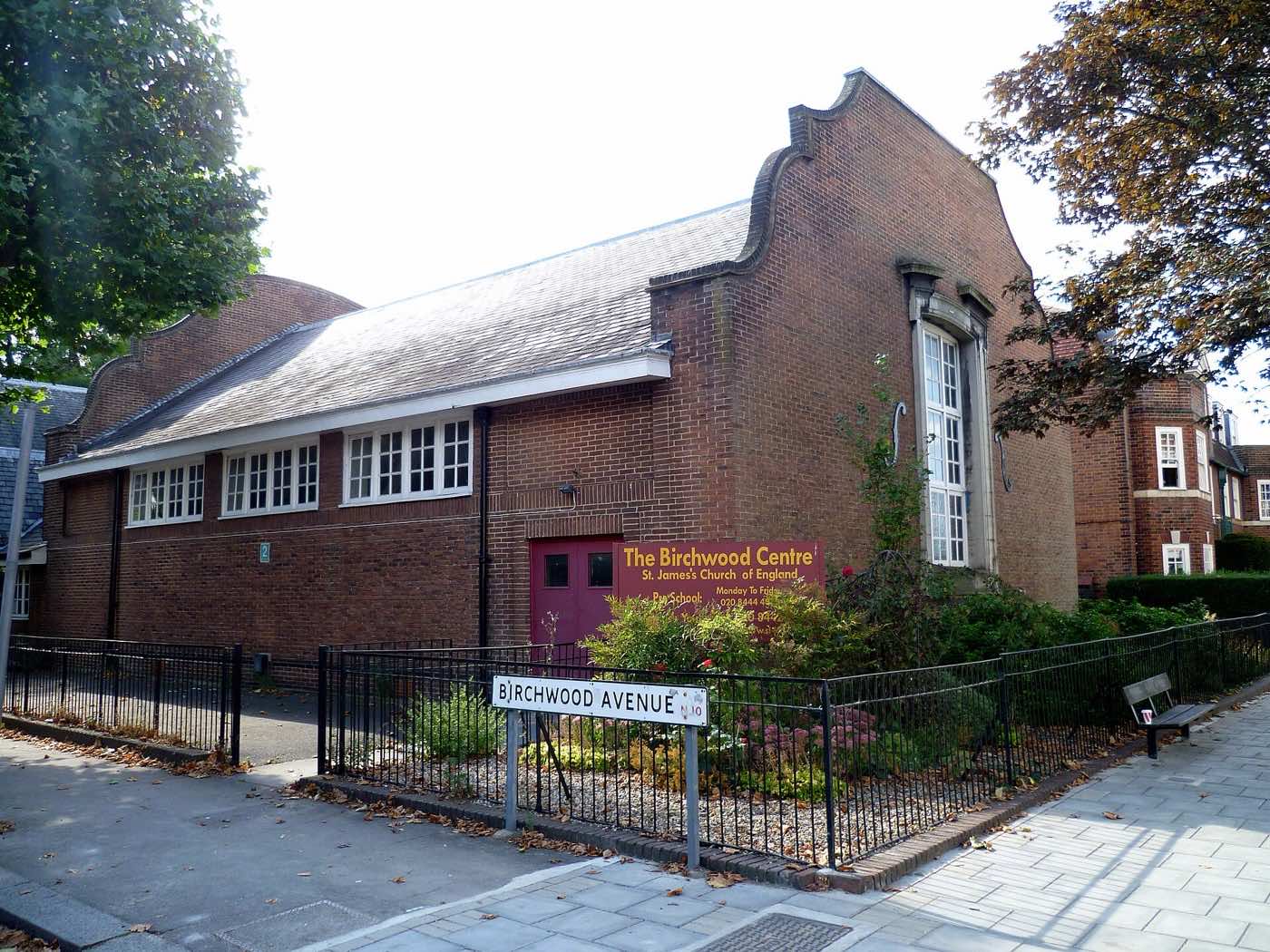
Former British Legion halls, temperance halls, mission halls, scout huts, tenants' association rooms and church halls. North London has an unusual concentration of them because so much of it was built out between 1880 and 1935, when voluntary organisations were building meeting rooms at scale.
These are covered in detail on community halls, because their governance is genuinely different from everything else: the decision-maker is a trustee board or a parochial church council, not a manager, and that changes both the timescale and what is negotiable.
Church halls still attached to a parish
Worth separating from the category above. The hall may be hireable on ordinary commercial terms, but it remains part of a working parish, which means the church's own calendar outranks yours, and there may be restrictions on alcohol, on the type of event, or on the days available. None of that is unreasonable, but it needs establishing on the first call rather than the fourth.
Railway arches and light industrial conversions
Concentrated along the lines through Hackney, Haringey and Tottenham, and covered on arches and studios. Spaces that hire out are listed in warehouse and arch venues.
The appeal is obvious: high ceilings, no fixed furniture, no neighbours directly above. The complications are less obvious and mostly concern planning use rather than licensing. A unit whose lawful use is storage or light industry is not automatically permitted to host public events, and the fact that it has hosted them before does not settle the question.
Studios and galleries
Photographic studios, artists' studios and small commercial galleries that hire out when not in use. Generally the most straightforward buildings to deal with and the most restricted in what they will let you do: often no alcohol sales, frequently no amplified music, and almost always a hard finish time set by a lease rather than a licence.
They suit daytime events, private views and filming, and they suit them well. They rarely suit a party.
Purpose-built civic and hotel rooms
A small category here compared with central London: council-owned assembly rooms, a handful of hotel function suites, rooms attached to sports and social clubs. Predictable, fully licensed, usually with in-house catering that you are required to use, and priced accordingly.
If certainty matters more than character, this is the category that delivers it.
Matching category to event
A wake needs daytime availability, level access, tea-making and a room that can be quiet. Halls and pub rooms both work; arches rarely do. Rooms that say they take wakes are listed in wake venues in north London.
A gig needs a licence that already covers regulated entertainment, a load-in that does not cross a residential pavement at midnight, and a realistic curfew. Read live music before viewing anything.
A wedding reception needs a long licence and a kitchen, and if you want the ceremony in the same building it needs approved premises status, which is a separate and much narrower list. That is covered on civil ceremonies.
A company away day needs daylight, power and reliable transport, and is the one case where the access and parking page should be read first rather than last.
Published , last reviewed